Showing posts with label Hasidism. Show all posts

Monday, June 2, 2014

Broken Tablets: A Study Guide for Shavuot

Rabbi Mishael Zion | Text and the City | Shavuot / Behaalotcha 2014

Symbols, metaphors and old texts lay strewn around the warehouses of culture, waiting to be picked up again, turned useful, regain value. For one night in the Jewish calendar, the warehouse becomes the focus: Tikkun Leil Shavuot. We stay up all night in the flea market treasure hunt which is Jewish text study. As for me, each year I find myself returning to the stall which houses texts about one metaphor: the Broken Tablets. A fitting image for our time, on many levels. For this Shavuot, I collected my favorite findings on this metaphor in the format of a study guide. I humbly offer it here, to adorn your Shavuot learning.
Since I couldn’t help myself, I added my own play-by-play commentary on these texts, and a few brief words about learning on Shavuot, which appear below.
Download the study guide in printable pdf format or read them online.

Broken Tablets, Play-by-play
Whatever happened to the Broken Tablets, those shards which Moshe resoundingly left strewn at the bottom of Mount Sinai? Reminders of the sweaty idolatrous sin which broke up God’s honeymoon with the Jewish people, perhaps they are best left to be covered by the sands of Sinai. Those First Tablets, which were “written by the finger of God” left unmentioned for two thousand years. Until one Talmudic Rabbi, Rav Yosef, picks them up and resets their place in Jewish tradition.
“The Tablets AND the Broken Tablets are placed in the ark” innovates Rav Yosef (in Bava Batra 14b). Does he intend for us to carry the First Tablets as eternal signs of our guilt and adultery at the Golden Calf, as Augustine would have it? Or perhaps the shards of Holiness regain similar status to Whole Holiness. Or perhaps, that which was created by Human Hand (the second tablets), carries the same centrality as that created by Divine Hands. Or perhaps, that which was broken so long ago, we cannot let go of it. We must continue to carry it around with us, for better or for worse.
The Talmud in Menahot turns this teaching in a statement about human dignity, and the dignity of scholarship: “Rav Yosef taught that … The Tablets and the broken tablets are placed in the ark. From here we learn that a scholar who has forgotten his learning with time, we do not treat disrespectfully.” (Menahot 99a) The sign of sin becomes the lesson of dignity. We must treat the broken person, the Altzheimered scholar, the aging, broken or lost among us – with the same dignity and honor with which we treat those who are considered whole. Both have equal value in Holy Ark.
Eliyahu de Vidash comes out of Kabbalistic Tsfat with a new understanding. “The human heart is the Ark, thus a person’s heart must be full of Torah but simultaneously be a Broken Heart, a beaten heart. Only thus can it serve as a home for the Divine Presence. For She only dwells in broken vessels.” (Reshit Hokhma). The Ark becomes the Heart, and theology and history become psychology. More importantly, the Tablets aren’t broken, Divinity is. And is we are to becoming a dwelling place for Her, we too much be of the Broken Vessels. The post hoc becomes aspirational, and the imperfect – divine.
Samuel Beck, "Thou Shalt Not Kill", 1970;
Yad VaShem Collection of Post-Holocaust Art
And then Faith breaks. Modernity, Enlightenment, or simply life. For the Hasidic Reb Natan of Nemirov, the Broken Tablets are a necessary part of the process: “Through broken tablets, i.e. broken faith, by means of that brokenness itself the faith returns and amends itself, which is the second tablets.” The First Tablets are broken, so broken. But that is not the end of the story. They are a crucial part of the path towards the creation of Second Tablets, Second Naivete. There is no such thing as unbroken faith, just as there is no such thing as unbroken love. By grasping the brokenness the new tablets can be achieved. Tikkun requires some breakage.

Download the study guide in printable pdf format or read them online.

Brief words about learning on Shavuot
On this night we don’t just do any learning, says the Zohar, rather the learning must be that of “beading”,חריזה, which in the Zohar is usually described with a different Hebrew word – Tikkun (lit. preparing, fixing). The study companions become a group of bridesmaids, lovingly and joyfully preparing the adornments for the princess on the night before she is to enter to wed the King. Lovingly they bead together texts one to the other. From words of Torah to the Prophets, from the Prophets to the Talmud, from the Talmud to the realm of the Hidden – the skilled jeweler quickly assembles a radiant necklace. It is with such hidushim, innovations, and tikunim, prepared adornments, that the bride enters her Shavuot bridal canopy. And in this way the Torah is given anew each year, each day. As long as we reassemble these jewels and bead them together in myriad ways, as long as we do so in a way which aims to please the Bride and Groom, then we are playing our role in the mystical drama which is the Cosmos.

Broken Tablets: A Study Guide for Shavuot

A.       Deuteronomy 10:1-4
At that time the LORD said unto me: 'Hew thee two tables of stone like unto the first, and come up unto Me into the mount; and make thee an ark of wood. And I will write on the tablets which you smashed, and place them in the ark.'
So I made an ark of acacia-wood, and hewed two tables of stone like unto the first, and went up into the mount, having the two tables in my hand.
And He wrote on the tables according to the first writing, the ten words, which the LORD spoke unto you in the mount out of the midst of the fire in the day of the assembly; and the LORD gave them unto me.
בָּעֵת הַהִוא אָמַר ה' אֵלַי, פְּסָל-לְךָ שְׁנֵי-לוּחֹת אֲבָנִים כָּרִאשֹׁנִים, וַעֲלֵה אֵלַי, הָהָרָה; וְעָשִׂיתָ לְּךָ, אֲרוֹן עֵץ. וְאֶכְתֹּב, עַל-הַלֻּחֹת אֶת הַדְּבָרִים אֲשֶׁר הָיוּ עַל-הַלֻּחֹת הָרִאשֹׁנִים אֲשֶׁר שִׁבַּרְתָּ וְשַׂמְתָּם בָּאָרוֹן.
וָאַעַשׂ אֲרוֹן עֲצֵי שִׁטִּים, וָאֶפְסֹל שְׁנֵי-לֻחֹת אֲבָנִים כָּרִאשֹׁנִים; וָאַעַל הָהָרָה, וּשְׁנֵי הַלֻּחֹת בְּיָדִי.
וַיִּכְתֹּב עַל-הַלֻּחֹת כַּמִּכְתָּב הָרִאשׁוֹן, אֵת עֲשֶׂרֶת הַדְּבָרִים, אֲשֶׁר דִּבֶּר יְהוָה אֲלֵיכֶם בָּהָר מִתּוֹךְ הָאֵשׁ, בְּיוֹם הַקָּהָל; וַיִּתְּנֵם ה' אֵלָי.
B.       Talmud Bavli Bava Batra 14b
Rav Yosef taught: “The tablets which you broke and place them in the ark” – this teaches that the Tablets and the broken tablets are placed in the ark.
תני רב יוסף: "אשר שברת ושמתם" - מלמד שהלוחות ושברי לוחות מונחין בארון [...]
תלמוד בבלי בבא בתרא יד ע"א-ע"ב

C.        Talmud Bavli Menahot 99a
Rav Yosef taught: “The tablets which you broke and place them in the ark” – this teaches that the Tablets and the broken tablets are placed in the ark.
From here we learn that a scholar who has forgotten his learning out of force, we do not treat him disrespectfully.
"אשר שברת ושמתם בארון" תני רב יוסף: מלמד שהלוחות ושברי לוחות מונחין בארון, מכאן לתלמיד חכם ששכח תלמודו מחמת אונסו שאין נוהגין בו מנהג בזיון. תלמוד בבלי מסכת מנחות דף צט/א

D.       Reshit Hokhma, R. Eliyahu deVidash, Gate of Holiness 7; 16th C Kabbalistic Moral tome
The Zohar teaches that the human heart is the Ark. And it is known that in the Ark were stored both the Tablets and the Broken Tablets. Similarly, a person’s heart must be full of Torah… and similarly, a person’s heart must be a broken heart, a beaten heart, so that it can serve as a home for the Shekhina. For the Shekhina [divine presence] only dwells in broken vessels, which are the poor, whose heart is a broken and beaten heart. And whoever has a haughty heart propels the Shekhina from him, as it says “God detests those of haughty hearts”.

ועוד נלמוד מדברי הרשב"י שאמר שכיס הלב הוא הארון, ונודע הוא שבתוך הארון היו הלוחות ושברי לוחות, כן ראוי שיהיה לבו מלא תורה... וכנגד שברי לוחות צריך שיהיה לבו לב נשבר ונדכה שיהיה מכון לשכינה, שהשכינה מושבה הם מאנין תבירין דילה [=כלים שבורים שלה], והם העניים שלבם לב נשבר ונדכה, ומי שלבו מתגאה עליו דוחה השכינה מעליו שנאמר תועבת ה' כל גבה לב.
ספר ראשית חכמה - שער הקדושה - פרק שביעי


E.        R. Natan of Nemirov, Likkutei Halakhot, 19th Century Hassid, student of Reb Nachman of Breslov, Shabbat 6
And this is the meaning of the verse “Which you broke and place in the Ark”, about which our Sages said: “the Tablets and the Broken Tablets are placed in the Ark”. By means of the aspect of broken tablets, broken faith, by means of that brokenness itself the faith returns and amends itself, which is the second tablets.
Because thanks to the existence of a shard of the broken faith, by keeping that shard he is fulfilling the advice of the faith itself which was broken – and he can return and repair that faith which is the aspect of receiving second tablets.

וְזֶהוּ בְּחִינַת אֲשֶׁר שִׁבַּרְתָּ וְשַֹמְתָּם בָּאָרוֹן וְאָמְרוּ חֲכָמֵנוּ זִכְרוֹנָם לִבְרָכָה, לוּחוֹת וְשִׁבְרֵי לוּחוֹת מֻנָּחִים בָּאָרוֹן. הַיְנוּ עַל - יְדֵי בְּחִינַת שִׁבְרֵי לוּחוֹת בְּחִינַת אֱמוּנָה הַשְּׁבוּרָה, עַל - יְדֵי - זֶה בְּעַצְמָהּ חָזַר וְנִתְתַּקֵּן הָאֱמוּנָה מֵחָדָשׁ שֶׁהֵם בְּחִינַת הַלּוּחוֹת שְׁנִיּוֹת, בִּבְחִינַת שָׁקַל פִּסְקָא שָׁדָא לְהוּ וְכוּ', כִּי עַל - יְדֵי שֶׁנִּשְׁאַר בּוֹ אֵיזֶה נְקוּדָה מֵהָאֱמוּנָה הַשְּׁבוּרָה עַל - יְדֵי - זֶה מְקַיֵּם הָעֵצָה שֶׁל חֲכָמִים שֶׁנִּשְׁבְרָה אֱמוּנָתָם אֶצְלוֹ וְחוֹזֵר וּמְתַקֵּן הָאֱמוּנָה שֶׁהִיא בְּחִינַת קַבָּלַת לוּחוֹת שְׁנִיּוֹת. כִּי כָּל קַבָּלַת הַתּוֹרָה עוֹמֶדֶת עַל אֱמוּנָה, כְּמוֹ שֶׁכָּתוּב, כָּל מִצְוֹתֶיךָ אֱמוּנָה, וּכְמוֹ שֶׁכָּתוּב, בָּא חֲבַקּוּק וְהֶעֱמִידָן עַל אֱמוּנָה וְכוּ' הַיְנוּ כַּנַּ"ל:
ספר ליקוטי הלכות - הלכות שבת הלכה ו


F.        R. Yitzhak Arama, Akeidat Yitzhak, 15th century Spain
Why didn’t God sculpt the second tablets, the way He sculpted the first ones? Because that which is totally Divine is not sustainable in the hands of humans. Therefor the first tablets, which were “made by God and written by God”, were not sustainable. Therefore God told Moses “sculpt [the second Tablets] for yourself” – you make them and I will shape them, thus retaining both the shape and image of the first ones, but these will be sustainable.

למה לא פסלם הקדוש ברוך הוא בעצמו – כראשונים? לפי שהדברים האלוהיים בהחלט אין להם קיום אצל בני אדם, לפיכך לא נתקיימו הלוחות הראשונים ש"הלוחות מעשה אלוהים המה והמכתב מכתב אלוהים הוא" (ל"ב ט"ז), לכן "פסל לך" ועשה אתה את גופן ואני אתן את צורתן. ועם זה יהיו מדמותן וצלמם ויתקיימו אצלם.
ר' יצחק עראמה, עקדת יצחק


Friday, May 11, 2012

Bread in the Temple: What is it to you?

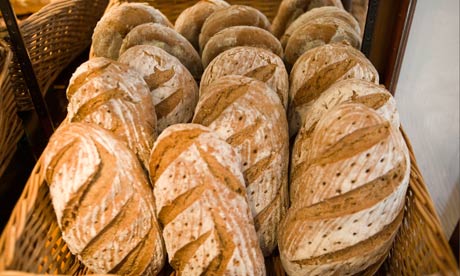
In God’s house, a golden table is set with bowls and spoons. 12 loaves of bread are arranged upon it. Granted, it’s existence might make the sanctuary feel like a little doll house.  It is one of the strangest details of our tradition: Lechem haPanim, the Bread of the Internal. It’s history is full of potent legends: The Talmud tells us that it never went stale, that even the tiniest piece of it was satiating, that the table had to have bread on it, or the world would stop turning. 
Our Parsha, Emor, describes how it was arranged:

And you shall take choice flour and bake it into twelve loaves …. And you shall place them in two rows, six to a row, six to a row, on the pure gold table before the Lord. …
Sabbath day after Sabbath day they shall be laid out before the Lord perpetually on behalf of the Israelites, an everlasting covenant.
And it shall be Aaron’s and his sons’, and they shall eat it in a holy place, for it is holy of holies for him from the Lord’s fire offerings, an everlasting statute. (Leviticus 24:7)
ה וְלָקַחְתָּ סֹלֶת וְאָפִיתָ אֹתָהּ, שְׁתֵּים עֶשְׂרֵה חַלּוֹת; שְׁנֵי, עֶשְׂרֹנִים, יִהְיֶה, הַחַלָּה הָאֶחָת.  ו וְשַׂמְתָּ אוֹתָם שְׁתַּיִם מַעֲרָכוֹת, שֵׁשׁ הַמַּעֲרָכֶת, עַל הַשֻּׁלְחָן הַטָּהֹר, לִפְנֵי ה’....  ח בְּיוֹם הַשַּׁבָּת בְּיוֹם הַשַּׁבָּת, יַעַרְכֶנּוּ לִפְנֵי ה’ תָּמִיד:  מֵאֵת בְּנֵי-יִשְׂרָאֵל, בְּרִית עוֹלָם.  ט וְהָיְתָה לְאַהֲרֹן וּלְבָנָיו, וַאֲכָלֻהוּ בְּמָקוֹם קָדֹשׁ:  כִּי קֹדֶשׁ קָדָשִׁים הוּא לוֹ, מֵאִשֵּׁי ה’--חָק-עוֹלָם. (ויקרא כד:ז)


Bible scholars note that all Mesopotamian temples had bread, and the Hebrew Temple was no exception. But while in pagan temples new bread was placed before the deity before each meal, only to be summarily burnt to symbolize the Gods having eaten their dinner, the Hebrew temple transmuted this “Divine food” into food for the priests, and supplanted the basic time unit from “meal to meal” to “Shabbat to Shabbat”.
As a modern reader, one is left slightly flustered when facing these remnants of pagan anthropomorphism. Even Maimonides, the great re-interpreter of the anthropomorphic Torah into rational terms, gave up: “I do not know the purpose of the table with the bread upon it continually, and up to this day I have not been able to assign any reason to this commandment.” (Guide for the Perplexed, III:45).
Thankfully, the gates of interpretation have not closed. Hasidic interpreters play a game: they take strange texts and ask: מהו בעבודה? – What is this in avodah, what relevance and meaning can be given to this teaching in informing our service? How can this idea inform my desire to live a life of meaning? Put differently: What is this to you?
Here then is a fun game to play at your next (Shabbat) dinner party: Why the bread? Why the table? What is the significance of this holy eating? What’s the deal with it always being fresh? Why could the table never be without bread? And why is it called Bread of the Panim – meaning, simultaneously – bread of the Face, Bread of the Inside, Internal bread, Bread of the Presence… What is this in Avodah?
Here’s my take:
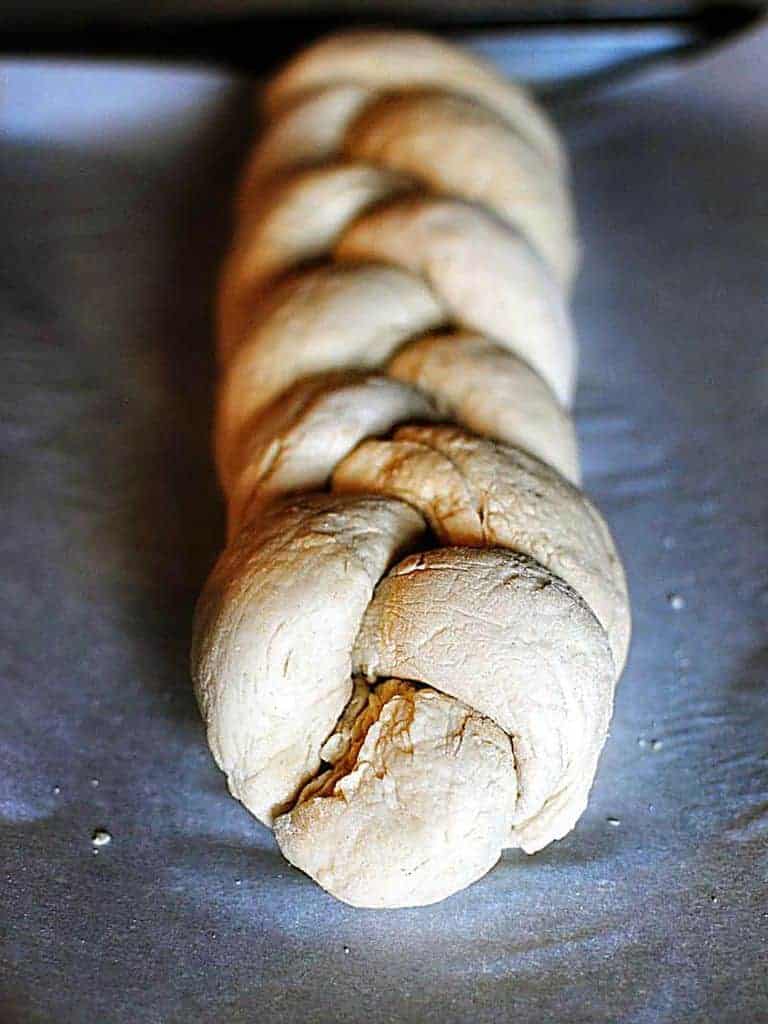
“As long as the temple existed, the altar atoned for a person. Now, each person’s table atones for them” says the Talmud (Menachot 97). The Talmud here is prescribing a surprising role to eating, and to the home. Redemption happens not despite eating, but through it. The temple is not inherited by the synagogue, but by the home – your dining room table, to be specific. Nowhere is the connection between our tables and the Temple more pronounced then on Shabbat, with meals the focal point of the day (not synagogue…). Obviously, Hallah takes the place of the Lechem haPanim (indeed, Kabbalists would use 12 loaves of challah on Shabbat, just like in the Temple).
Reb Tzadok haCohen of Lublin, the late Hassidic master (died 1900), extrapolates:

The Lechem haPanim was renewed each Shabbat, because the essence of eating in holiness is achieved on Shabbat, as they said in the Talmud and the Midrash and the Zohar: “By keeping Shabbat one is immediately redeemed” – in other words through holy eating everything is rectified, becoming as it was before the brokenness [of the eating from the fruit in Eden] and the harm of the snake. And this is the meaning of “immediately redeemed”. (Pri Tzadik Tu Bishvat)
לחם הפנים בשבת מתחדש, כי עיקר אכילה בקדושה הוא בשבת וזה שאמרו בגמרא (שבת קי"ח ב) ומדרש (שמות רבה כ"ה, י"ב) וזוה"ק (תיקון כ"א) דעל ידי שמירת שבת נגאלין מיד שמתקנים הכל שיהיה כמו קודם קלקול ופגם הנחש ...וזהו מיד נגאלין.

Reb Tzadok’s Shabbat eating is an eating that pervades the entire body. Like the purifying waters of the mikveh, the food rushes through the entire organism, redefining it, bringing it fresh life, resetting our body to the “manufacturer’s settings”. Meir Shalev, in his novel Four Meals describes such an experience:
I couldn’t imagine that food could give such profound and poignant pleasure. Not only my tongue and my palate, but also my throat and my guts and my fingertips sprouted tiny taste buds. The smell filled my nose, saliva flooded my mouth, and even though I was still a child, I knew I would never forget the meal I was eating.  (Meir Shalev, Four Meals, pg. 18)

Reb Tzadok’s Shabbat eating is an eating that is able to “reset” the world, a return to the world of divine and human expectations as they were in Eden, before human weakness was manifested  by the snake. Shabbat eating allows us to return to ourselves the way we imagined ourselves, to our highest aspirations for ourselves. Lechem haPanim is indeed “Show bread” – the bread that shows an ideal image of the world, of ourselves. As we eat it on Friday night, we can again imagine ourselves as our highest selves, and immediately we are redeemed.
And one more thing: Why did the Bread of the Internal never go stale? I know only one kind of bread that doesn’t go stale – wonderbread, the height of the artificial. Indeed, artificial dreams, like artificial bread, seem to stay fresh and shiny. Real bread, like deep dreams and aspirations, become stale ever so quickly, as we become jaded and cynical. Hence the image of an “Internal Bread” that will never go stale is so necessary. On Shabbat we are invited to reach back to the “Bread of the Inside”, that place inside that never goes stale, where dreams are “as warm as when they were baked.” And this is perhaps why the bread can never be taken off the golden table of our psyche: if we were ever to live in a world where the ever-fresh bread did not exist, our life too would become as stale as week old bread.

Shabbat Shalom,
Mishael

Rabbi Mishael Zion | Bronfman Fellowships | Emor | Text and the City

Thursday, May 3, 2012

“Even Apolitical Poems are Political”: Seeking Holiness before a Political Summer Hits


There is perhaps nothing more counter to the idea of holiness than the reality of politics. Both terms are in dire need of re-framing.

Wisława Szymborska (1923-2012)

Politics has long been mired as the realm of individuals who seem to serve only themselves. Last summer, a generation that was said to have given up on the political system decamped to the arena of politics and occupied it, in a variety of movements across the world. The months since that summer have returned many to the more cynical stance towards the political arena, where those who were cynical of these movements to begin with were waiting. This summer promises to be even more political.
Holiness has also been lost to the “regular world” as an aspiration. Too loaded, it seems to belong to those interested in separating from the world, rather than embracing it. Modernity has pushed holiness and its “rumor of angels” out of the world, and spiritualistic new-age has only strengthened that assumption.
A new frame for holiness, and a new frame for politics, is needed – and this week’s parsha might inform both of those. Parashat Kedoshim, the Torah’s “Holiness Code”, opens with the following famous lines:
And the Lord spoke to Moses, saying,
Speak to the entire congregation of Israel,
and say to them:
Be holy,
for I, the Lord, your God, am holy. (Leviticus 19:1-2)
וַיְדַבֵּר ה' אֶל מֹשֶׁה לֵּאמֹר:
דַּבֵּר אֶל כָּל עֲדַת בְּנֵי יִשְׂרָאֵל
וְאָמַרְתָּ אֲלֵהֶם:
קְדֹשִׁים תִּהְיוּ
כִּי קָדוֹשׁ אֲנִי ה' אֱלֹהֵיכֶם.
(ויקרא יט:א-ב)
What is this holiness? The Sifra, the early Rabbinic commentary on the Torah, explains poignantly:
You shall be holy: you shall be separate.
:קדושים תהיו – פרושים  תהיו
The Sifra’s reading (quoted by Rashi) is in line with a classic understanding of holiness as separation. Just as God is utterly separate from this world, “wholly Other” as Rudolph Otto put it, the holy person must become wholly separate from the world. In this concept, the social world is a place of temptation, sin and profanity – and holiness is the act of separating from it.
But this is not the only understanding of Holiness. The Hasidic rebbe Rabbi Kalonymos Kalman Epstein of 19th century Cracow, in his book Maor vaShemeh, attacks the separatist understanding, and claims that holiness is only achievable through a social movement, through community:
A person might mistakenly thing that the meaning of “Be Holy” is that if a person isolates themselves, separating themselves from society, that they can attain holiness. But the truth is that… while separation helps to avoid the obstacles to Divine service, in order to achieve holiness one must join a group of spiritual people, who worship in earnest, and to join with them in their service – be it prayer or study... Indeed the majority of mitzvot must all be performed in an assembly with other seekers, and through this one can attain the highest holiness.
This is why Rashi smartly commented first that “this chapter was given to the full community: ‘Speak to the entire congregation of Israel…” and only then “say to them: Be holy’” for holiness can only be achieved within a community of seekers, not through isolation. (Maor vaShemesh, Kedoshim)
יוכל האדם לטעות שהפירוש הוא "קדושים תהיו" דהיינו שאם יתבודד עצמו ויפרוש עצמו מן הציבור יזכה אל הקדושה. והאמת הוא ש...זאת אינו מועיל אלא להנצל מן הדברים המעכבים עבודת השם יתברך, אבל להשיג הקדושה העליונה אינו זוכה עד שידבק עצמו אל אנשי השם עובדי ה' באמת ולהשתתף עמהם יחד בעבודה רבה הן בתפלה והן בלימוד התורה. ועיקר המצות הכל יהיה בכנסיה יחד עם מבקשי ה' ואז יוכל להשיג הקדושה העליונה.
לכן נתחכם רש"י ופירש קודם לזה מלמד שפרשה זו נאמרה בהקהל דהיינו שאינו זוכה אל הקדושה אלא בהקהל עצמו עם הציבור מבקשי ה' )
מאור ושמש - פרשת קדושים ד"ה וידבר

This understanding of holiness sees holiness not as “other” from the world, but emanating from the world. The contents of the rest of Leviticus 19, known as the “Holiness Code”, seem to strengthen this reading. Our chapter includes a combination of ritual laws (e.g. all sacrificial meat must be eaten on the same day) with a prescription of the basics of a just society: don’t take bribes, don’t gossip, do not prejudice the rich nor the poor, indeed – love your fellow as yourself. Leviticus 19 contains all you need to know about living among people, and how to manage the many things that will necessarily go wrong from such a social existence. And it claims that this is the path to holiness. In other words: Holiness is achieved through politics (it is this philosophy that another Polish rebbe, Abraham Joshua Heschel, branded so powerfully here in America).
A different  Polish rebbe, the late Nobel laureate WislawaSzymborska, rallies against those who shy away from politics. Between the lines of her poem you can hear the call of artists who seek to stay away from “the political” for fear of losing touch with the transcendent:
Children of Our Era
by Wislawa Szymborska | translated by Joanna Trzeciak

We are children of our era;
our era is political.

All affairs, day and night,
yours, ours, theirs,
are political affairs.

Like it or not,
your genes have a political past,
your skin a political cast,
your eyes a political aspect.

What you say has a resonance;
what you are silent about is telling.
Either way, it's political.

Even when you head for the hills
you're taking political steps
on political ground.

Even apolitical poems are political,
and above us shines the moon,
by now no longer lunar.
To be or not to be, that is the question.
Question? What question? Dear, here's a suggestion:
a political question.

You don't even have to be a human being
to gain political significance.
Crude oil will do,
or concentrated feed, or any raw material.

Or even a conference table whose shape
was disputed for months:
should we negotiate life and death
at a round table or a square one?

Meanwhile people were dying,
animals perishing,
houses burning,
and fields growing wild,
just as in times most remote
and less political.

Szymborska calls on us to stop deluding ourselves that the “apolitical life” is a loftier one, for such a thing is not possible. Politics can bring us into the realm of the painfully trivial (conference tables, or a ban on gossiping), but it is through the trivialities of politics that life and death get negotiated. Read in conjunction with the Maor vaShemesh’s theory of holiness, an aspirational reading of politics emerges. Those who seek a life of meaning and holiness are invited to see that holiness is only possible through the political act. Those who love the rush of politics are invited to imagine a politics that see as its aspiration a moment when society will be larger than the sum of its parts. Leviticus 19 suggests that the struggle towards a just society is the struggle towards holiness; that deepest meaning, a “rumor of angels,” is found not through a person alone in a forest, but only through the constant jam session which is the social-political project: at times disharmony and a-tonality might rule, but if you listen closely, and if we do it right, an underlying rhythm will reveal itself amid the clamor of politics. It is the beat of the holy.
Thanks to Neta Polisar (Amitei Bronfman ’05) for teaching me this poem at last weeks Israeli Amitim Alumni Weekend on Mt. Meron. Neta spent the summer in a tent on Rothschild st in Tel Aviv, and is currently volunteering as an organizer for a new Israeli workers union, Koach la’Ovdim, which rivals the establishment Histadrut union; he is awaiting the resurgence of the Israeli tent protest, and acting behind the scenes towards its reappearance.

Rabbi Mishael Zion | Bronfman Fellowships | Acahrei Mot- Kedoshim | Text and the City