Thursday, January 30, 2014

The Chapter that Doesn’t Exist (and the Secret to Eternal Life)

 
“When it is time to leave the world, and for the soul to rise up wherever it rises to,
it is not the goal or aspiration that the soul stay only up high.
For the real fulfillment of the soul is that while it is "up there", it should also be down here.
Therefore one most strive to leave offspring and students, so that their da'at [wisdom, attainment, uniqueness] will remain down here, shining a light for the inhabitants of this lowly world. For when a person's da'at remains through children and students, it is considered as if that person itself is still in this world.”
Rabbi Nachman of Breslov | Likkutei Moharan II:8, Hassidic Rabbi, Ukraine 19th C

When we die, what will remain of us in this world?
Reb Nachman outlines his prescription for eternal life. Each person reflects a core “wisdom” – da’at - which epitomizes them; a quintessential learning, an attainment, unique to her. As long as your essential intuition lives in the world – you remain in this world. And it lives on through the creation of children and students who weave that intuition into their own lives.
Suddenly, the act of study becomes an act of reviving the dead – as long as the knowledge is then truly woven into life. By studying and carrying with me the da’at of previous generations – by being their student – I am keeping them alive.
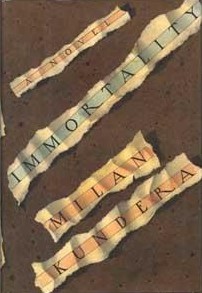
This sounds great, but what is my “essential” da’at? And what if that da’at is distorted, misunderstood? (Milan Kundera’s “Immortality” explores this anxiety with hilarity).
I pondered these thoughts as we marked thirty days since Edgar M. Bronfman’s passing (see more below). In our community of Bronfman Fellows we marked his passing with a community-wide learning initiative, with one track dedicated to studying the Rabbinic tractate ofPirkei Avot.
Putting Reb Nachman’s intuition to the text of Avot, it became clear that this tractate is a project in conserving the “da’at” of those great teachers, attempting to become their students long after they have left this world. Each mishna attempts to “boil down” the quintessential wisdom of a sage into one or two sentences: “He would say”, “he would say”. There is something appalling about this process, reducing a wide ranging and variegated life into a one-liner (preferably with three parts). What a terrifying project, what a moving one. To be sure, the purpose of Pirkei Avot is the wisdom and ethics, not the individual legacy of the teachers. And yet, those two are deeply intertwined – the wisdom and the person who said it.
Yet the deepest lesson from Pirkei Avot might come from the last chapter of Pirkei Avot, chapter six. It does not arise from the text itself, but from the following curious fact: Chapter Six of Pirkei Avot does not actually exist. As late as Maimonides (12th C), Pirkei Avot has only five chapters. Yet open any copy of Pirkei Avot today, and you will discover not give, but six! Scholars have noted that this last chapter is a compilation of external texts, known in the 9th century as the “Chapter of Torah Acquisition”. Its inclusion in Pirkei Avot is due to a fluke of traditional Jewish study. The tradition was to study Pirkei Avot on the Shabbatot between Passover and Shavuot. The only problem was that there are six Shabbatot between these two holidays, and – oy vey - only five chapters to Pirkei Avot. The fitting “Chapter of Torah Acquisition” was called to serve as a filler to the itinerary of study. With time, well-meaning scribes added this chapter to their copies of Pirkei Avot. By the time printing came along, the chapter had been “rechristened” an organic part of Avot. From a scientific “objective” perspective this chapter is an inauthentic imposter. Yet the living traditions of Jewish communities, the circles of learners, have themselves given credence to these chapters. From a narrow historical perspective this chapter might not exist, but from the view of Judaism as it is lived by its children and students, there is nothing more authentic then Chapter Six of Pirkei Avot.
“And the parable is clear, to those who discern” as the Rabbis would say. What is one’s true da’at? Who you originally were, or how you are remembered by children and students? Who has authority over one’s legacy? What is “true Judaism” – or the true meaning of the Constitution – that which can be proven scientifically to be historically true, or that which is engrained in the lives of vibrant communities? To be sure, a healthy back and forth between these two poles is critical. But it is that which lives on in the memories and practices of a community – children and students - which promises eternal life. What one generation might view as inauthentic and secondary, could become the holy cannon of the next generation – as long as there are “children and students” who truly embed it in their lives. May we be so lucky as to merit a few…

Shabbat Shalom,
Mishael


P.S. One Mishna from Chapter Six of Pirkei Avot:
This week, following a moving and stately tribute celebrating Edgar M. Bronfman the businessman, the statesman, the philanthropist at Lincoln Center, over 100 Bronfmanim came together to celebrate Edgar Bronfman who invited us to study together. We concluded studying the Tractate of Pirkei Avot in a “Siyyum” meal and study session. We studied the following mishna from Chapter Six of Pirkei Avot, which discusses the 48 traits required in order to “acquire Torah”. It is a fascinating list – if anxiety inducing, as someone remarked. Studying it, one is invited to ponder: Which ones here do you agree with and which do you find troubling? What would be on your list? What does this mishna understand the “acquiring of Torah to be”? (one answer – Torah cannot be acquired alone, in a cave. It requires other people around you). Finally, which of these traits does our society, our community, value, and which has it abandoned?


THE ACQUISITION OF TORAH | PIRKEI AVOT CHAPTER 6 MISHNA 6

Torah is greater than Priesthood or Kingship,
for Kingship is acquired in thirty privileges, and Priesthood in twenty-four. 
But Torah is acquired in forty-eight aspects:

In learning, a listening ear, aligned lips ,a discerning heart,
awe, reverence, humility, joy, purity,
apprenticeship to Sages, close reading with Friends, challenging Students,
calm deliberation, in Scriptures [Reading], in Mishnah [Repeating]
engaging in a minimum of business, sex [worldly pursuits], pleasures, sleep, chatter and frivolity.
In patience, good heartedness, trusting of Sages, taking suffering in stride. 
By being one who knows his place, rejoices in one's portion, guards one's words, doesn’t claim merit for oneself.
By being loved, loving the Omnipresent, loving Humanity, loving Righteousness, loving Justice, loving Correction.
Doesn’t seek out honors, nor boasts of one's education, doesn’t give [legal] decisions light-heartedly. 
Shares in the burdens of others, gives people the benefit of the doubt, leads them to Truth, leads them to Peace,
Settles his heart in his study, asks probing questions, answers queries honestly, listens and discuses, learns in order to teach, learns in order to practice,
hones one's teacher's wisdom, is precise in stating what he has heard, and one who in repeating learning credits the one who said it originally.
As we have learned, whoever repeats a statement in the name of the one who said it brings deliverance to the world.  As it says, “And Esther told the King about the plot in the name of Mordechai” (Esther 2:22).
משנה קניין תורה | פרקי אבות ו:ו

גְּדוֹלָה תּוֹרָה יוֹתֵר מִן הַכְּהוּנָּה וּמִן הַמַּלְכוּתשֶׁהַמַּלְכוּת נִקְנֵית בִּשְׁלֹשִׁים מַעֲלוֹת, וְהַכְּהֻנָּה בְּעֶשְׂרִים וְאַרְבַּע, וְהַתּוֹרָה נִקְנֵית בְּאַרְבָּעִים וּשְׁמוֹנֶה דְבָרִים, וְאֵלוּ הֵן:
בְּתַלְמוד, בִּשְׁמִיעַת הָאֹזֶן, בַּעֲרִיכַת שְׂפָתָיִם, בְּבִינַת הַלֵּב,
בְּאֵימָה, בְּיִרְאָה, בַּעֲנָוָה, בְּשִׂמְחָה, בְּטָהֳרָה,
בְּשִׁמּוּשׁ חֲכָמִים, בְּדִקְדּוּק חֲבֵרִים, בְּפִלְפּוּל הַתַּלְמִידִים,
בְּיִשּׁוּב, בְּמִקְרָא, בְּמִשְׁנָה,
בְּמִעוּט סְחוֹרָה, בְּמִעוּט דֶּרֶךְ אֶרֶץ, בְּמִעוּט תַּעֲנוּגבְּמִעוּט שֵׁנָה, בְּמִעוּט שִׂיחָה, בְּמִעוּט שְׂחוֹק,
בְּאֶרֶךְ אַפַּיִם, בְּלֵב טוֹב, בֶּאֱמוּנַת חֲכָמִים, בְּקַבָּלַת הַיִּסּוֹרִין,
הַמַּכִּיר אֶת מְקוֹמוֹ, וְהַשָּׂמֵחַ בְּחֶלְקוֹ, וְהָעוֹשֶׂה סְיָג לִדְבָרָיו, וְאֵינוֹ מַחֲזִיק טוֹבָה לְעַצְמוֹ,
אָהוּב, אוֹהֵב אֶת הַמָּקוֹם, אוֹהֵב אֶת הַבְּרִיּוֹת, אוֹהֵב אֶת הַצְּדָקוֹת, אוֹהֵב אֶת הַמֵּישָׁרִים, אוֹהֵב אֶת הַתּוֹכָחוֹת,
וּמִתְרַחֵק מִן הַכָּבוֹד, וְלֹא מֵגִיס לִבּוֹ בְּתַלְמוּדוֹ, וְאֵינוֹ שָׂמֵחַ בְּהוֹרָאָה,
נוֹשֵׂא בְעֹל עִם חֲבֵרוֹ, וּמַכְרִיעוֹ לְכַף זְכוּת, וּמַעֲמִידוֹ עַל הָאֱמֶת, וּמַעֲמִידוֹ עַל הַשָּׁלוֹם, וּמִתְיַשֵּׁב לִבּוֹ בְּתַלְמוּדוֹ,
שׁוֹאֵל וּמֵשִׁיב  שׁוֹמֵעַ וּמוֹסִיף, הַלּוֹמֵד עַל מְנָת לְלַמֵּד וְהַלּוֹמֵד עַל מְנָת לַעֲשׂוֹת, הַמַּחְכִּים אֶת רַבּוֹ, וְהַמְכַוֵּן אֶת שְׁמוּעָתוֹ
וְהָאוֹמֵר דָּבָר בְּשֵׁם אוֹמְרוֹ, הָא לָמַדְתָּ כָּל הָאוֹמֵר דָּבָר בְּשֵׁם אוֹמְרוֹ מֵבִיא גְאֻלָּה לָעוֹלָם, שֶׁנֶּאֱמַר "וַתֹּאמֶר אֶסְתֵּר לַמֶּלֶךְ בְּשֵׁם מָרְדְּכָי".

ר' נחמן מברסלב, ליקוטי מוהר"ן - מהדורא בתרא סימן ז:ד
וַאֲפִלּוּ כְּשֶׁמַּגִּיעַ זְמַנּוֹ לְהִסְתַּלֵּק, וְהַנְּשָׁמָה עוֹלָה וּמִתְדַּבֶּקֶת בְּמָקוֹם שֶׁעוֹלָה [...], אֵין זֶה תַּכְלִית וּשְׁלֵמוּת, שֶׁתִּהְיֶה הַנְּשָׁמָה רַק דְּבוּקָה לְמַעְלָה. רַק עִקָּר הַשְּׁלֵמוּת שֶׁל הַנְּשָׁמָה הִיא, שֶׁבְּעֵת שֶׁהִיא לְמַעְלָה תִּהְיֶה לְמַטָּה גַּם - כֵּן. עַל - כֵּן צָרִיךְ שֶׁיַּשְׁאִיר אַחֲרָיו בְּרָכָה, בֵּן אוֹ תַּלְמִיד, כְּדֵי שֶׁיִּשָּׁאֵר דַּעְתּוֹ לְמַטָּה גַּם - כֵּן בְּעֵת שֶׁנִּסְתַּלֵּק לְמַעְלָה [...] - כִּי הַתַּלְמִיד מְקַבֵּל דַּעַת הָרַב. [...] וְעַל כֵּן צְרִיכִין לְהַשְׁאִיר אַחֲרָיו בֵּן אוֹ תַּלְמִיד, כְּדֵי שֶׁיִּשָּׁאֵר דַּעְתּוֹ לְמַטָּה, שֶׁיָּאִיר בִּבְנֵי עוֹלָם הַזֶּה הַשָּׁפָל. כִּי כְּשֶׁנִּשְׁאָר דַּעְתּוֹ לְמַטָּה עַל - יְדֵי בֵּן אוֹ תַּלְמִיד, נֶחְשָׁב כְּאִלּוּ הוּא בְּעַצְמוֹ מַמָּשׁ נִשְׁאָר בָּעוֹלָם:


Thursday, January 23, 2014

The Hasid Who Went to Law School: Finding our Virtuous Heroes

Rabbi Mishael Zion | Text and the City | Mishpatim 2014

Rav Yehuda said: One who wishes to be a Hasid must fulfill the matters of Damages [Nezikin].
Ravina said: One who wishes to be a Hasid must fulfill the matters of the Fathers [Ethics of the Fathers,  Pirkei Avot].
Others said: One who wishes to be a Hasid must fulfill the matters of Blessings [Berakhot].
Babylonian Talmud, Bava Kama 30a

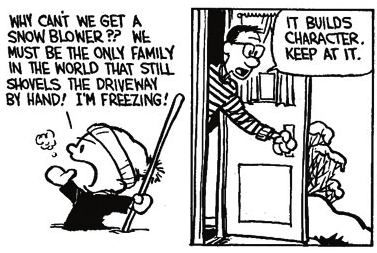
Leading a virtuous life. Does anyone wonder about that anymore? Not the satisfying life, or the happy life; nor the life of impact. The Talmud asks a question about virtue, indeed of heroic virtue: How does one become a Hassid. Or as Calvin’s dad would put it: how best to build character?
To be fair, that is not how most people would translate the word Hasid. Hasid is often reduced to “pious”, meaning “deeply religious : devoted to a particular religion” according to Merriam-Webster, or “a combination of fervor and devotion to God”.
The term Hasid has been repeatedly reborn over the course of Jewish history. From the Hasidim dancing ecstatically at the Temple (1st C), to the prostrating Sufi Jews of Cairo (13th C), the Franciscan style Hasidim of Germany (13th C) and the spiritual revolutionaries of Eastern Europe (18th C). And then of course there are our contemporaries, who seem to share a preference for black clothes and facial hair, and the neo-Hasid’s who prefer colorful tallitot and shamanic chants.
Despite this rich history, most people assume Hasid=Pious, a term which, as Google shows, gets very little traction these days. Indeed, the second definition for pious offered by Webster’s is “falsely appearing to be good or moral”. Thankfully, this Talmudic argument invites us to redefine Hasid.
To be fair, the third answer offered above fits expectations most easily: “One who wishes to be a Hasid must fulfill the matters of Blessings [Berakhot]”. Berakhot, the tractate educating in the laws of prayer and blessings, implies that being a Hasid relates first of all to spirituality and gratitude. It is primarily about vertical relationships: God/Man. Indeed, the Mishna tells us that “The pious of former generations used to contemplate for one hour before they would begin prayer.”  which opens a window into ancient Jewish Meditation (I always saw those Hasidim as the ones who are to blame for Jewish prayer sprawling for hours and hours). To be sure, there is a strong argument to be made that a person well versed in the ethics of gratitude, investing time and effort in deepening a spiritual practice,  would be setting to foundations of becoming a Hasid.
A very different definition of Hasid is evoked by Ravina’s position: “One who wishes to be a Hasid must fulfill the matters of the Fathers”. Ravina is probably referring to the Tractate of Mishna often called “Ethics of the Fathers”, Pirkei Avot. Avot fits into the category of “wisdom books” known across civilizations, from the biblical Proverbs to Tao Te Ching: short prescriptive aphorisms that shape behavior and world view. Avot recognizes that there is the “medium” personality and the
Donors fall into four types:
Those who wish to give and others not give – they rob others of merit.
Those who urge others to give but do not give themselves – they rob themselves of merit.
Those who give and urge others to give – those are the Hasidim.
Those who do not give and urge others not to give – these are the wicked. (Avot 5:16)
Where Berakhot is mostly a vertical, God/self relationship, Avot weaves a combination of vertical and horizontal God/other/self. If the Hasid of Berakhot is pious, the Hasid of Avot is ethical – if such distinctions can be made. Yet for all of its inspiring messages, Pirkei Avot takes place in a vaccum. It assumes that ethical behavior emanates simply from the individual, but does not account for the complex realities of interpersonal conflict, the pervasiveness of mistakes or the gray areas of moral decisions.

Which brings us back to the first and most counter-intuitive statement: “Rav Yehudah said: One who wishes to be a Hasid must fulfill the matters of Damages [Nezikin].” The Tractate of Damages (today consisting of three separate “gates” – Bava Kamma, Bava Metzia and Bava Batra) covers 30 chapters of torts and contract law.. What do the ins and outs of financial compensation have to do with being a Hasid? Well, everything.
Where the words of Avot discuss the ideal person leading the ideal life, the Tractate of Damages takes the opposite approach: human beings – and their animals, belongings and agreements – are liabilities waiting to happen. When living in a society mistakes, losses and damages will occur. The challenge is how to fix things. This is not about ideal justice but rather about regaining balance in a broken world. It will never be whole, it will never return to the original state. One who can maneuver skillfully in such a world is a Hassid.
The centrality of the Laws of Damages to Jewish discourse is clear from their location in this week’s Torah portion, Mishpatim, directly after the giving of the Torah at Sinai. To this day traditional Jewish Talmudic education for children begins with the rules relating to lost property – which “findings” belongs to you vs those for which you are responsible to seek out the owner, even though you have no idea who he is. One who wishes to raise a Hasid, first teach them that “Finders keepers, losers weepers” is wrong.
In order to administer the laws of damages properly, one needs to become deeply versed in human needs – physical and psychological. Damages educates one to embrace the perspective of the other, while constantly keeping an eye on the global good (the discussion of Ken Feinberg, damage compensation guru, reflects this point well - thank you Zach Luck for this connection!).
In Damages, as in Avot and Berakhot, there is the “average behavior” and then there are the Hasidim, who accept a higher bar of responsibility, a path of higher virtue. Right before our argument about the correct path to becoming a Hasid, the Talmud gives the following anecdote:
Our Rabbis taught: The Hasidim of former generations used to pick up thorns and broken glasses [from the public sphere] and bury them in the midst of their own fields, at a depth of three handbreadths below the surface so that the plough might not be hindered by them.
Rav Sheshet used to throw them into the fire.
Rava threw them into the Tigris river.  (Babylonian Talmud, Bava Kama 30a)
Waste management is where societies’ values are tested, as the news from West Virginia showed us this week. As we know from environmental studies, waste management is not just about the vertical (God/man), or the horizontal (man/others), it is also about the future (now/later). Most significantly, the Hasid sees the public square as her personal responsibility, even at a cost to her own property. This deeper view of the public domain reflects a flipping of the common instinctual private property perspective (upon which our glorious nation is founded). In the common understanding, what is mine is mine, and communal space is very questionably mine. Since responsibility for it is shared, personal responsibility is highly diminished. The Hasidim stand this idea on its head. Another example of the Hasid of Damages reflects this position well:

Our masters taught:
One should not clear stones out of one's own domain and throw them into the public domain.
Once a man was clearing stones out of his own domain and throwing them into the public domain.
A Hasid saw him and said:
“Empty One, why do you remove stones from a domain that is not yours to a domain that is yours?”
The man just laughed at him.
After a time, the man was forced to sell his field, and, walking on that very public domain, he stumbled over the stones he had thrown.
He said, “How well that pious man put it: ‘Why do you remove stones from a domain that is not yours to a domain that is yours?’”
Bava Kamma 50b
ת"ר: לא יסקל אדם מרשותו לרה"ר.
מעשה באדם אחד שהיה מסקל מרשותו לרה"ר,
ומצאו חסיד אחד,
אמר לו: ריקה, מפני מה אתה מסקל מרשות שאינה שלך לרשות שלך!
לגלג עליו.
לימים נצרך למכור שדהו, והיה מהלך באותו רשות הרבים ונכשל באותן אבנים,
אמר: יפה אמר לי אותו חסיד "מפני מה אתה מסקל מרשות שאינה שלך לרשות שלך"...


May this week be a calling for us to redefine not only where “our domain” is, but also what the term Hasid can inspire in our lives. Few of us might achieve that status, but at least it is something to aspire to.
Shabbat shalom,
Mishael


Thursday, January 16, 2014

Standing Again: Three Female Poets Meet At Sinai


In honor of our newest batch of Alumni Venture Fund grantees, especially this one.

Blessed be the Lord, Maker of Heaven and Earth, who has brought us to this generation. For too long our sins and the sins of our fathers caused us to languish in the exile of patriarchy. Until our mothers broke down the barriers, reclaimed their seats in the halls of Torah and called us all to stand again at Sinai. Now a new light shines on Zion: on women, on men, indeed on the whole wide world.
Yet as then, so now, standing again at Sinai “the divine word speaks to each and every person according to [her] particular capacity” (Pesikta 12). In the aftermath of that great event, I hear three female poets meet at the foot of the mountain:

I shall not float
unreined in space –
lest a cloud swallow
the thin band in my heart
separating good from evil.
I have no existence
without the lightning and thunder
that I heard at Sinai.

Zelda

Zelda (1914-1984)
For Zelda, Sinai is encountered straightforwardly. No feminist reading of history can pry her clenched knuckles away from the “lightning and thunder that [she] heard at Sinai.” She grasps tightly to the lessons and memories created there, as she struggles to maintain the “thin band between good and evil.” Without Sinai, humans “float unreined” in a universe of moral relativism, like an astronaut lost in space. Who dare tell her she wasn’t there?
Not so for others. Merle Feld, in a canonical poem which captures the gender predicament of history (his-story), also heard the “lightning and thunder”. But she was never given the chance to write it down:

  We All Stood Together | Merle Feld

My brother and I were at Sinai
He kept a journal
of what he saw
of what he heard
of what it all meant to him
I wish I had such a record
of what happened to me there
It seems like every time I want to write
I can’t
I’m always holding a baby
one of my own
or one for a friend
always holding a baby
so my hands are never free
to write things down
And then
As time passes
The particulars
The hard data
The who what when where why
Slip away from me
And all I’m left with is
The feeling
But feelings are just sounds
The vowel barking of a mute
My brother is so sure of what he heard
After all he’s got a record of it
Consonant after consonant after consonant
If we remembered it together
We could recreate holy time
Sparks flying

Merle Feld
Feld yearns to be of the consonants, of “the hard data, the who what when where why.” It’s a refreshing desire, especially as most liberal Jews prefer to settle for a Judaism of sounds (“the vowel barking of a mute”), staying away from the “particulars”, the consonantal certainty. It is a myth of a lost opportunity. Read this poem while standing in a Beit Midrash full of books. Feld invites us to imagine what was lost, what opportunities for Torah, wisdom and truth we had in reach – but never recorded because 51% of the Jewish people never had their hands free (or never had a spouse to pass the baby to...). If we can regain our standing together at Sinai, sparks would fly.
Back at the campsite, though, with an endless domestic to-do list, stands Israeli poet Chava Pinchas Cohen. She did not make it to the mountain. But what she gained instead was the explicit name:

Explicit Name | Chava Pinchas Cohen

Everyone’s gone to the mountain already, and they’re waiting,
waiting to see, waiting in great quiet –
even, strangely, the camels, the donkeys –
In this quiet not a bird twitters 
or children on their fathers’ shoulders. 
An overwhelming quiet, as if before some
wondrous thing.  Still—I want time
to hang out the laundry, 
time for myself to freshen up
and I warmed the baby’s milk so he won’t get hungry— 
and God forbid, cry at the wrong moment,
however long till then. You can expect
the laundry to dry—but the baby  
No one knew. 
And I saw that a light breeze, 
like the breath of a sleeping man, passed 
through the laundry and ballooned 
the belly of my nightgown, 
and the Shabbat tablecloth
was a white sail in the middle of the desert
and we went from there across the blue
far away to a place where 

we’ll split open pomegranates and suck their juice, 
to a place where 
love has 
an explicit name 

(Translation by Glazer: 2000, with emendations MZ; Hebrew original below)

Chava Pinchas Cohen
Where Feld yearned for “hard data”, Pinchas Cohen was invited to sail across the blue and split open pomegranates. As Elijah discovered at Mt. Sinai centuries later – God was “not in the noise” which the men experienced at the base of the mountain. God fled that scene and traveled like a light breeze across the Israelites’ encampment, seeking someone with whom to steal away to the pomegranate orchard…
Pinchas Cohen uses the Jewish texts and traditions as her own, not begrudging her distancing over the generations but not unaware of it either. She sits as an equal at the table of Jewish study and weaves from the (male) midrashic vocabulary a new religious language. Struggling with the humdrum rhythms of parenthood and the existential uncertainty of life, she recreates a Sinai which is relevant to her life as a modern mother, a modern seeker of God (truly, an ode to the struggle to find “time for myself to freshen up”).
Pinchas Cohen’s poem might be seen as giving in to an apologetic spirituality which is often hegemonically thrown at women (“you are holier than men, so you don’t need those particulars”). But I see in her embrace of the Shabbat tablecloth, of her nightgown’s fertile encounter with the “light breeze”, an opportunity for both men and women. Feld is grappling to move from vowels to consonants, a necessary endeavor. But Pinchas Cohen is sailing across the blue to a land of eros, where a new revelatory language is given “an explicit name”. That’s a Sinai men and women alike can yearn to stand at.

Shabbat Shalom,
Mishael


שֵׁם מְפורָשׁ - חוה פנחס-כהן


כֻּלָּם כְּבָר הָלְכוּ אֶל הָהָר וּמְחַכִּים
מְחַכִּים לִרְאוֹת, בְּשֶׁקֶט רַב מְחַכִּים,
שֶׁלֹּא כְּמִנְהָגָם גַּם הַחֲמוֹרִים, גַּם הַגְּמַלִּים
בַּשֶּׁקֶט הַזֶּה צִפּוֹר לֹא צִיְּצָה
גַּם יְלָדִים עַל כִּתְפֵי אֲבוֹתֵיהֶם,
וְהַשֶּׁקֶט רַב מִנְּשׂא כְּמוֹ לִפְנֵי דָּבָר
נוֹרָא וְגָדוֹל וַאֲנִי עוֹד רָצִיתִי
לְהַסְפִּיק וְלִתְלוֹת אֶת הַכְּבָסִים
לַעֲשׂוֹת זְמַן לְעַצְמִי לְתַקֵּן רֵיחוֹתַי
וְחִמַּמְתִּי אֶת הֶחָלָב לַתִּינוֹק, שֶׁלֹּא יִרְעַב
שֶׁלֹּא יִבְכֶּה חָלִילָה, בָּרֶגַע הַלֹּא
מַתְאִים, כַּמָּה זְמַן עַד כְּלוֹת. הַצִּפִּיָּה
שֶׁתִּתְיַבֵּשׁ הַכְּבִיסָה וְהַתִּינוֹק מָה.
אִישׁ לֹא יָדַע
וַאֲנִי רָאִיתִי שֶׁרוּחַ קַלָּה, כְּמוֹ נְשִׁימָתוֹ שֶׁל אִישׁ יָשֵׁן, עָבְרָה
בַּכְּבָסִים וְנִפְּחָה כְּרֵסָהּ
שֶׁל כֻּתָּנְתִּי וּמַפַּת הַשַּׁבָּת
הָיְתָה מִפְרָשׂ לָבָן בְּאֶמְצַע הַמִּדְבָּר
וְיָצָאנוּ מִשָּׁם עַל הַתְּכֵלֶת
הַרְחֵק לַמָּקוֹם בּוֹ  

נִפְרֹט רִמּוֹנִים וְנֹאכַל עֲסִיסָם
לַמָּקוֹם בּוֹ
לָאַהֲבָה
שֵׁם מְפֹרָשׁ.


I shall not float
unreined in space
lest a cloud swallow
the thin band in my heart
that separates good from evil.
I have no existence
without the lightning and thunder
that I heard at Sinai.

Zelda, "The Spectacular Difference," translated by Marcia Falk, p. 231

לֹא אֲרַחֵף בֶּחָלָל
מְשֻׁלַּחַת רֶסֶן
פֶּן יִבְלַע עָנָן
אֶת הַפַּס הַדַּקִּיק שֶׁבְּלִבִּי
שֶׁמַּפְרִיד בֵּין טוֹב לְרַע.
אֵין לִי קִיּוּם
בְּלִי הַבְּרָקִים וְהַקּוֹלוֹת
שֶׁשָּׁמַעְתִּי בְּסִינַי.

זלדה, עמ' 215